
Old appliances are the kind of “simple” project that turns into a headache fast.
A refrigerator is awkward. A washer is heavier than it looks. A stove might be hooked up to gas. And if you have stairs or tight hallways, moving any of it can go sideways in a hurry.
If you’re scheduling appliance removal in Melbourne, FL, here’s what to know before pickup day so everything goes smoothly (and safely).
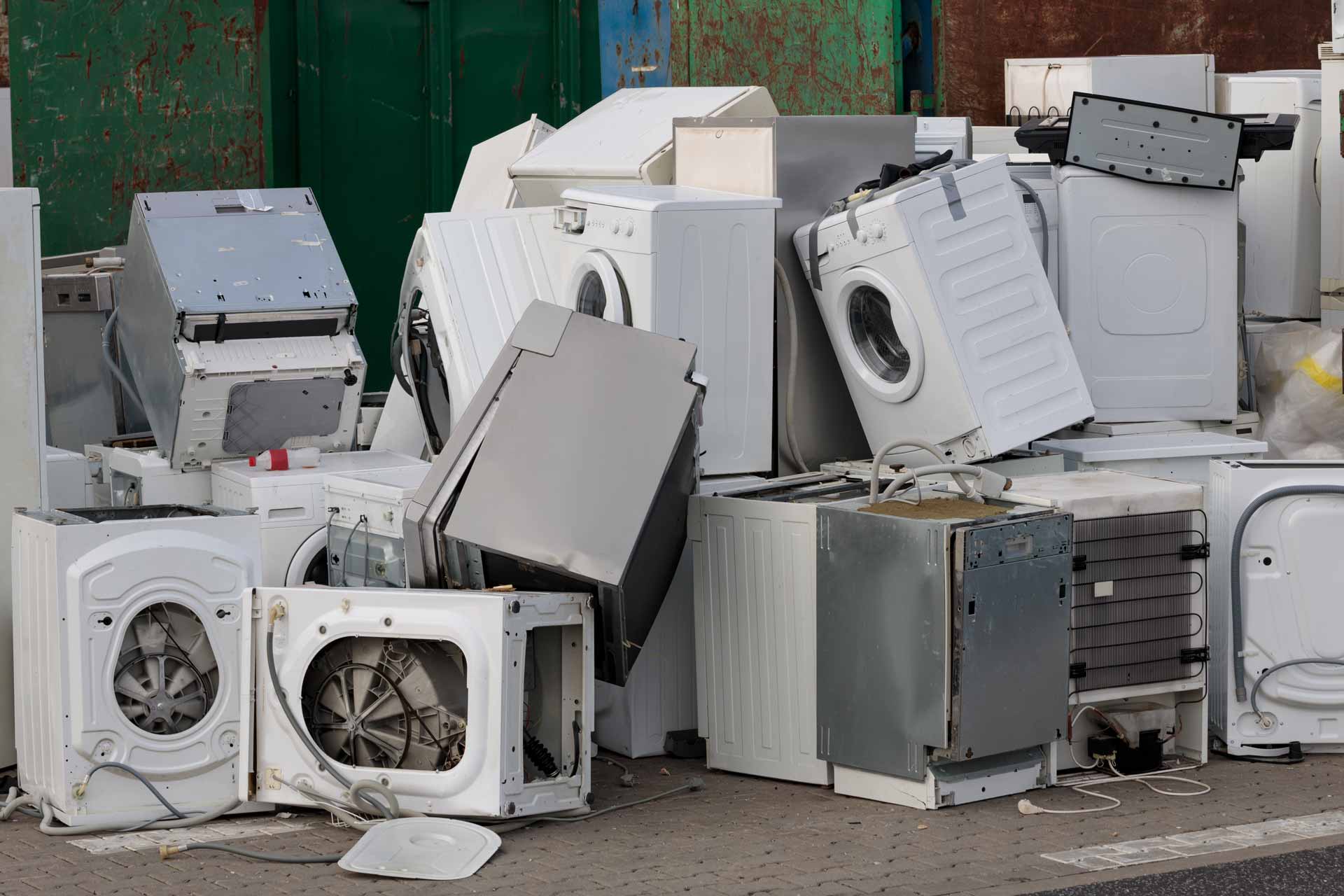
Why Appliance Removal Can Be Tricky
Appliances aren’t like normal furniture. They come with a few extra problems that affect time, safety, and the overall removal process.
1) They’re heavy (and the weight is weird)
Most appliances are heavier than people expect, and the weight distribution is awkward.
Examples:
- Washers are dense and hard to grip.
- Refrigerators are tall and top-heavy.
- Stoves are bulky and love to catch door frames on the way out.
This is where injuries happen most often: strained backs, smashed fingers, and slips.
2) Stairs and tight turns change everything
A fridge on the first floor is one thing. A washer upstairs is another story.
Stairs, narrow hallways, sharp turns, and long carry distances:
- slow the job down,
- increase risk of damage to walls and floors,
- sometimes require extra crew effort and equipment.
If you’re in a second-floor apartment in Melbourne, or you’ve got tight stairs in an older home, that’s important info to share when you book.
3) Water lines and drain hoses (washers, dishwashers, fridges)
Many appliances aren’t “standalone.” They’re connected.
Common connections:
- Washing machines: hot/cold water lines + drain hose
- Dishwashers: water supply line + drain line + often mounted in place
- Refrigerators: sometimes a water line for the ice maker
If these aren’t disconnected properly, you can end up with leaks, water damage, or a surprise mess right as the appliance is being moved.
4) Refrigerants and special handling (refrigerators/freezers)
Refrigerators and freezers can involve refrigerant components that must be handled responsibly.
Good removal crews know how to transport and route these units properly for disposal or recycling. The key for homeowners: don’t try to “DIY dismantle” a fridge to make it lighter. That can create a bigger problem than it solves.
5) Gas hookups (some stoves and dryers)
If you have a gas stove or gas dryer, disconnection should be handled carefully.
If you’re not 100% sure what you have, don’t guess. Tell the removal team what you know, and confirm the proper disconnect before anyone starts moving it.
How to Prep for a Smooth Pickup
You don’t need to do a ton of work before appliance removal, but a little prep can save time and prevent damage.
Here are the biggest things that help:
Clear the path
Make sure there’s a clean route from the appliance to the exit:
- move rugs, plants, and small furniture,
- remove clutter in hallways,
- open gates if the crew needs backyard access,
- keep pets secured.
If the path is clear, the crew can move faster and safer.
Empty the appliance
This one gets missed constantly.
Before pickup:
- remove all food from refrigerators/freezers,
- remove clothes from washers/dryers,
- remove loose racks or shelves if they might slide out,
- bag any small parts or accessories you want to keep.
Plan for doorways
If the appliance is tight in a doorway, it helps to:
- measure the doorway and the appliance width,
- remove doors from hinges if necessary (optional, but helpful),
- let the team know ahead of time if it’s a squeeze.
“Before We Arrive” Checklist (Quick + Easy)
Use this quick checklist so pickup day is smooth:
- ✅ Unplug the appliance (if it’s safe and accessible)
- ✅ Confirm water lines are disconnected (washer/dishwasher/fridge water line)
- ✅ Confirm gas is disconnected (if applicable)
- ✅ Empty the appliance (food, clothing, shelves, loose items)
- ✅ Clear a path from the appliance to the exit
- ✅ Let us know about stairs or tight access points
- ✅ If you’re unsure about disconnects, say so before pickup day
If you’re not comfortable disconnecting water or gas, that’s normal. Just plan ahead so it’s handled safely before removal.
Common DIY Mistakes to Avoid
A lot of appliance removal problems come from two things:
- Trying to move it before it’s fully disconnected
- Trying to move it with too few people
Avoid:
- yanking a washer out while hoses are still connected,
- dragging appliances across tile/wood floors without protection,
- tipping a fridge in a tight hallway and scraping walls or trim,
- “winging it” with gas hookups.
The goal is simple: get it out cleanly, safely, and without damage.
Need Appliance Removal in Melbourne, FL?
If you’re in Melbourne, Palm Bay, or anywhere across the Space Coast and you want an old appliance gone without the heavy lifting, we can help.
Makin’ Space Junk Removal provides fast scheduling, free estimates, and five-star service, and we handle hauling and proper disposal the right way.